

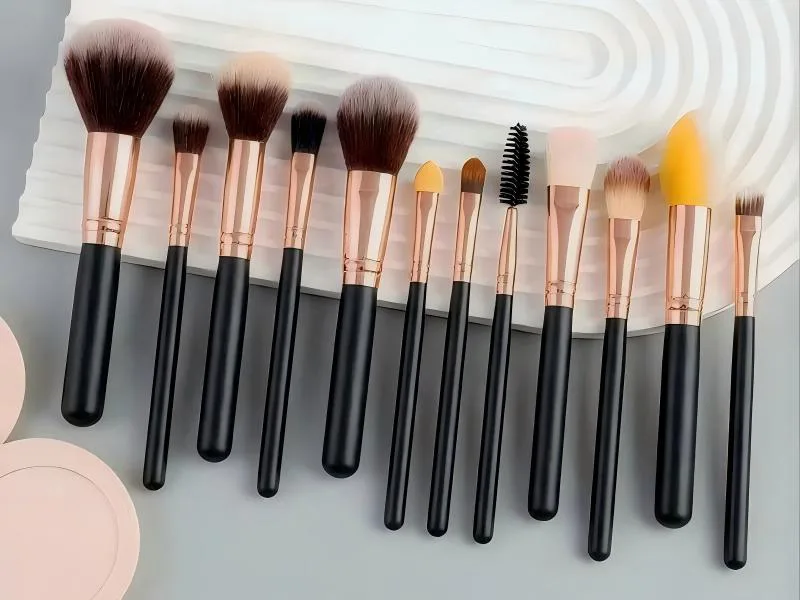
When building a successful cosmetic line, every single component of a makeup brush contributes to the final user experience and brand perception. While consumers often focus primarily on the softness of the bristles or the aesthetic appeal of the handle, industry professionals know that the bridge connecting these two elements is where the true craftsmanship lies. This critical component is the ferrule, the metal band that secures the hair bundle and fastens it securely to the handle. For brand founders and product developers navigating custom manufacturing, deciding between an aluminum and copper ferrule is one of the most foundational architectural choices you will make. At beautykitmfg.com, we have spent years guiding emerging and established beauty brands through these exact technical specifications, helping them balance cost, performance, and luxury positioning.
Table of Contents
Why Choose an Aluminum and Copper Ferrule for Private Label Production?
Understanding the structural anatomy of a makeup brush helps illuminate why the choice of material carries such significant weight. A standard cosmetic brush consists of four primary parts: the bristles, the glue block, the handle, and the ferrule. The ferrule acts as the mechanical anchor that withstands daily pulling, washing, and pressure during application. If a ferrule is too flimsy, the brush head will wobble, shed hairs prematurely, or detach completely from the handle. Conversely, if a ferrule is engineered with the correct thickness and material properties, it ensures longevity and maintains the precise shape of the brush head over years of use. When evaluating your options for private label production, comparing the characteristics of an aluminum and copper ferrule will reveal which material aligns best with your target market, price point, and quality standards.
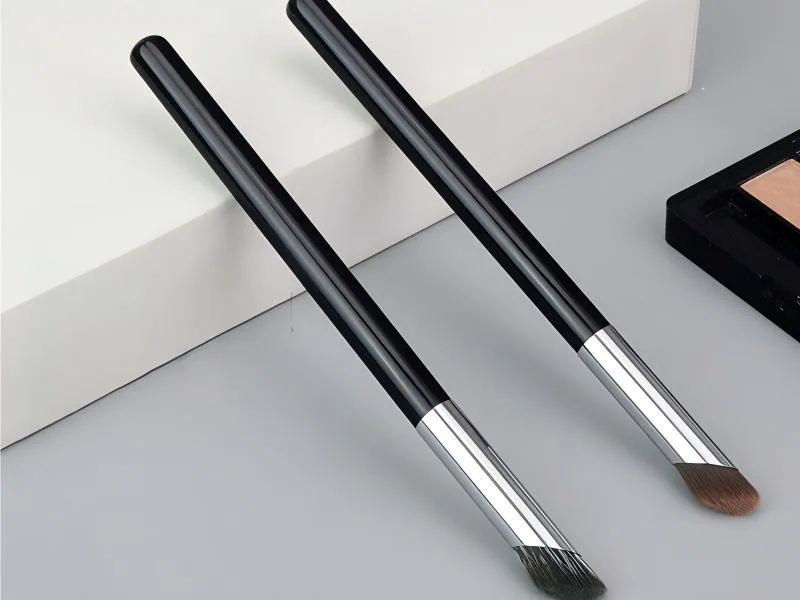
Aluminum has emerged as the most widely used metal in modern cosmetic brush manufacturing due to its exceptional versatility and favorable cost-to-performance ratio. As a lightweight metal, aluminum allows for comfortable, balanced makeup application, reducing hand fatigue for professional makeup artists who hold brushes for hours on end. During the manufacturing process, aluminum sheets are typically extruded or stamped into seamless or seam-welded tubes, which are then cut to precise lengths. One of the greatest advantages of choosing an aluminum and copper ferrule alternative like aluminum is its incredible receptivity to surface treatments, most notably anodization. Anodizing an aluminum and copper ferrule substitute not only hardens the surface to prevent scratching and corrosion but also opens up a vast spectrum of vibrant color possibilities through electrochemical dyeing.
Beyond coloration, aluminum offers distinct supply chain advantages for growing beauty brands. Because the material is abundant and easy to machine, tooling costs for custom-shaped aluminum ferrules are generally lower than those for heavier metals. This makes aluminum an ideal choice for brands launching large product assortments or seasonal collections where budget efficiency is paramount. However, manufacturers must pay close attention to wall thickness when working with aluminum. If the gauge is too thin, the ferrule may dent easily under heavy pressure or warp during the crimping process. A reputable manufacturing partner ensures that the aluminum grade used possesses sufficient tensile strength to maintain a tight, permanent grip on both the bristles and the wooden or acrylic handle.
Key Benefits of Premium Copper in an Aluminum and Copper Ferrule Selection
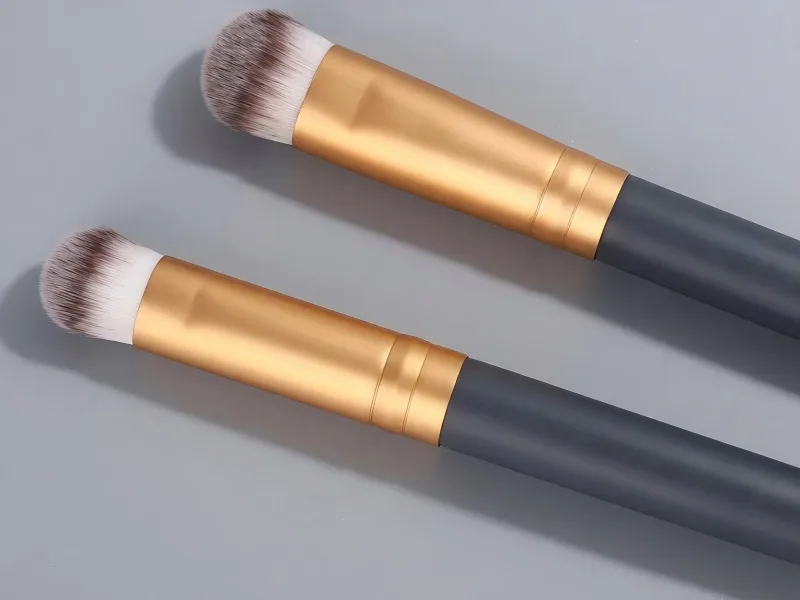
In contrast, copper represents the pinnacle of traditional luxury and structural durability in the makeup brush industry. When brands opt for a copper ferrule instead of aluminum, they are deliberately signaling a premium, high-end positioning to their consumers. Copper possesses a natural density and weight that immediately communicates substance and quality the moment a user picks up the brush. This heavier feel provides a grounded, balanced center of gravity, which many consumers associate with professional-grade artistry tools. Furthermore, copper is inherently malleable, allowing master artisans to shape intricate profiles and seamless designs that elevate the overall aesthetic of the vanity collection.
The manufacturing process for a copper ferrule involves deep drawing and specialized stamping techniques that require a high degree of technical expertise. Because raw copper tarnishes over time when exposed to oxygen and skin oils, these components must undergo rigorous electroplating to achieve their final finish. Whether your brand aesthetic calls for polished gold, antique brass, sleek gunmetal, or warm rose gold, a plated copper and aluminum ferrule comparison reveals that copper holds complex metal platings exceptionally well. The molecular bonding of copper ensures that the outer plating resists flaking, peeling, or fading, even after hundreds of rigorous daily cleaning cycles with brush cleansers and water.
Direct Performance Comparison: Aluminum and Copper Ferrule Options
When conducting a direct comparison between an aluminum and copper ferrule for your custom product line, several practical factors must be weighed against your brand strategy. Cost is frequently the initial consideration for procurement teams. Aluminum solutions are inherently more cost-effective, making them well-suited for mass-market retail, subscription boxes, and high-volume promotional kits where retail price ceilings are strict. Copper components involve higher raw material costs and more intensive labor during electroplating and finishing, which naturally translates to a higher retail price point suitable for luxury department stores and professional artist lines.
Durability and structural rigidity also differentiate these two materials in real-world application environments. While high-grade aluminum is remarkably resilient, copper offers superior crush resistance and dimensional stability under extreme physical stress. If your brand targets professional makeup academies, traveling artists, or heavy-duty commercial applications, a copper ferrule provides an indestructible housing that withstands being tossed into professional kit bags day after day. On the other hand, if your focus is on clean beauty, lightweight travel sets, or eco-conscious consumer demographics, the lightweight nature of aluminum aligns more harmoniously with consumer expectations for portability and minimal environmental footprint during shipping.
Technical Engineering of an Aluminum and Copper Ferrule Assembly
Customization possibilities extend far beyond basic material selection and plating colors, offering brands unique ways to differentiate their products in a crowded marketplace. Modern manufacturing techniques allow for precise laser engraving of brand logos directly onto either an aluminum and copper ferrule surface, creating a permanent, tactile branding element that will never rub off. Additionally, brands can experiment with unique finishes such as matte, brushed, satin, or high-gloss polish to evoke completely different tactile and visual emotions. Coordinating the ferrule finish with matching metal ferrules, eye-catching holographic sheens, or subtle gradient fades can transform a standard makeup brush into a coveted collector item.
Glue retention and internal sealing represent another critical technical aspect that experienced manufacturers evaluate during the production of an aluminum and copper ferrule assembly. The interior of the ferrule is treated with specialized industrial adhesives that bond the synthetic or natural hair roots permanently to the inner walls. Because copper and aluminum react differently to temperature fluctuations and moisture exposure, the choice of adhesive must be meticulously matched to the ferrule material. A well-engineered seal prevents water from seeping into the core during washing, which eliminates the primary cause of loose bristles and mold growth inside the ferrule cavity.
Environmental considerations and sustainability have also become increasingly influential in modern cosmetic manufacturing decisions. Both aluminum and copper are infinitely recyclable materials, making them responsible choices for brands aiming to reduce their ecological impact compared to single-use plastics. Aluminum requires significant energy to smelt initially, but its recycling process is exceptionally efficient and consumes a fraction of that energy. Copper recycling is similarly established worldwide, allowing brands to market their custom brush collections with genuine eco-friendly credentials that resonate with conscious consumers who demand transparency across the supply chain.
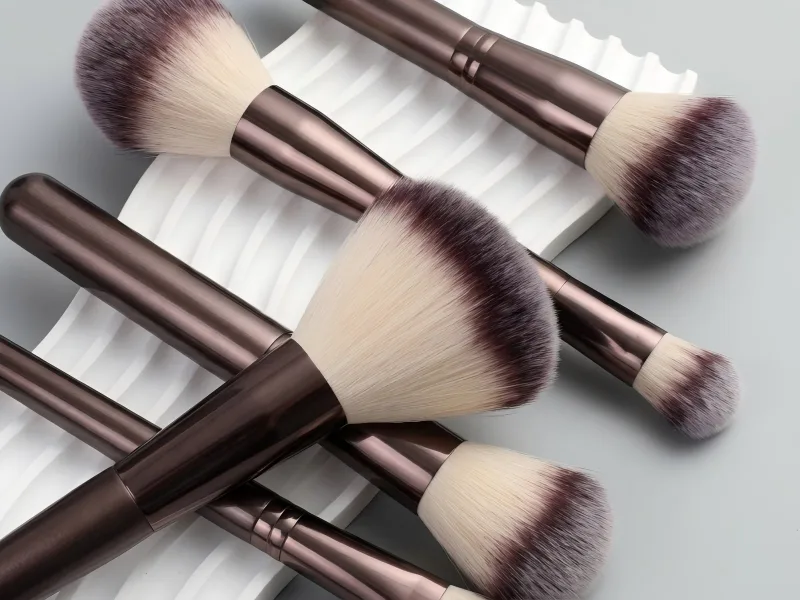
Navigating the transition from concept to mass production requires a trusted manufacturing partner who understands the nuances of material science and tooling precision. At beautykitmfg.com, our engineering team works closely with brand founders to select the optimal aluminum or copper ferrule specification based on brush density, handle weight, and target retail positioning. Whether you are developing a minimalist vegan brush set with sleek anodized aluminum or an opulent bridal collection featuring heavy copper hardware, our comprehensive OEM and ODM services ensure flawless execution from prototype to final delivery. By leveraging industry expertise and advanced manufacturing techniques, your brand can create makeup tools that not only perform exceptionally well on the face but also stand the test of time in the marketplace. This lies at the very heart of custom makeup brush manufacturing at beautykitmfg.com.