

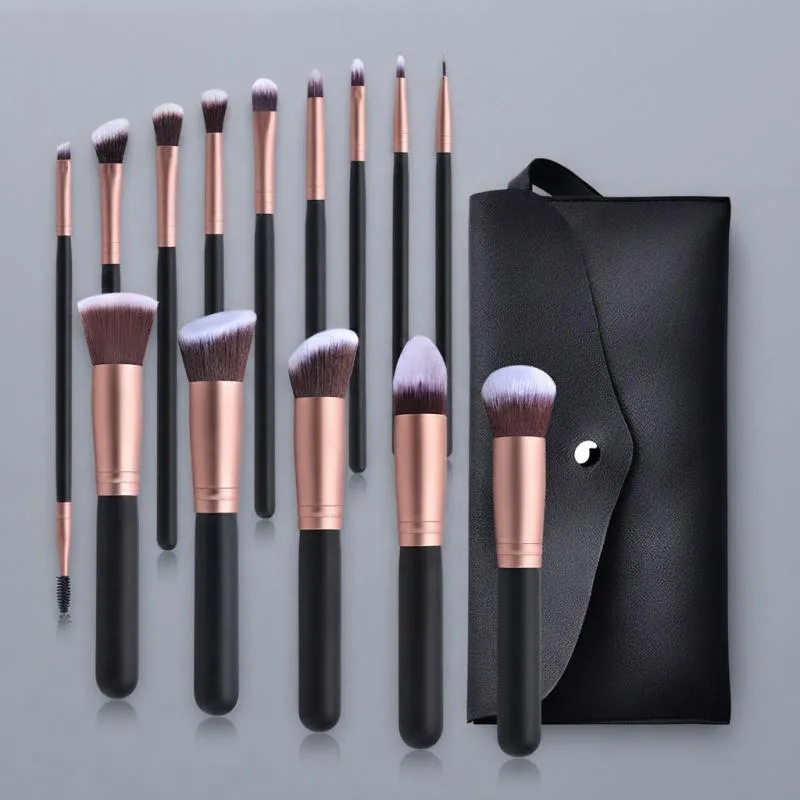
When professional makeup artists and beauty enthusiasts invest in luxury cosmetic tools, their attention is immediately drawn to the softness of the bristles, the ergonomic design of the handle, and the polished finish of the metal ferrule. However, the true longevity and structural integrity of a luxury cosmetic tool rely heavily on a component that remains entirely hidden from view. Selecting the appropriate glue for high-end makeup brushes is one of the most critical technical decisions in manufacturing, directly determining whether a brush will withstand years of daily use or begin shedding bristles after a few washes.
At beautykitmfg.com, our years of experience in custom makeup brush manufacturing have taught us that adhesive technology separates mass-market disposable applicators from true professional-grade heirlooms. Navigating the complex world of industrial adhesives requires a deep understanding of chemical compatibility, curing mechanics, and the demanding environments that cosmetic tools encounter daily. This comprehensive guide explores the essential factors, chemical formulations, and engineering principles involved in selecting the ideal adhesive for luxury beauty manufacturing.
Table of Contents
The Hidden Foundation: Understanding the Role of Adhesives in Brush Construction
The assembly of a professional cosmetic applicator involves binding three distinct materials together: a porous or sealed wooden or acrylic handle, a metal ferrule typically made of aluminum or copper, and a dense bundle of natural or synthetic hair. These materials possess completely different expansion rates, surface tensions, and structural characteristics, which places an immense amount of stress on the internal bonding agent. Without an expertly engineered glue for high-end makeup brushes, the assembly would quickly fracture under the mechanical pressure of daily blending, buffing, and vigorous cleaning routines.
Furthermore, luxury beauty products are frequently exposed to harsh cosmetic solvents, alcohol-based brush cleaners, skin oils, and fluctuating bathroom humidity levels. A substandard bonding agent will gradually break down when exposed to these elements, causing moisture to seep into the ferrule base and breed bacteria or loosen the hair roots. Implementing a premium adhesive creates an impenetrable moisture barrier that locks the bundle firmly in place while maintaining the necessary flexibility to absorb mechanical shock without snapping the bristles at the base.
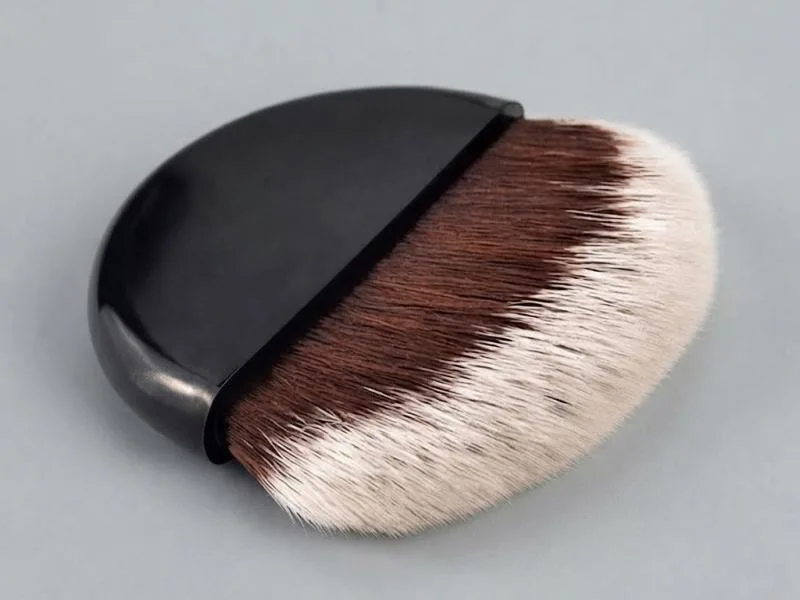
Technical Comparison of Industrial Adhesive Formulations
Manufacturer selection largely depends on balancing tensile strength, curing time, viscosity, and chemical resistance. In the production of luxury beauty tools, engineers generally evaluate two primary categories of bonding agents: thermosetting epoxy resins and UV-curable polymers. Each category offers distinct advantages depending on whether the brand focuses on ultra-dense powder brushes or precision liquid eyeliner applicators.
Epoxy resins remain the gold standard for traditional craftsmanship because they cure through a chemical cross-linking reaction rather than simple evaporation. This cross-linked matrix provides exceptional resistance to thermal expansion and mechanical stress, ensuring that the glue for high-end makeup brushes maintains its grip over years of rigorous service. Epoxy systems can be precisely formulated with varying viscosities to control how deeply the liquid penetrates the root of the hair bundle before hardening, preventing dry spots and loose filaments.
On the other hand, ultraviolet-cured adhesives have gained substantial traction in modern high-speed manufacturing lines due to their rapid curing cycles and solvent-free nature. These formulations harden instantly upon exposure to specific light wavelengths, significantly increasing production efficiency without releasing volatile organic compounds into the manufacturing facility. However, formulating a UV-curable glue for high-end makeup brushes requires specialized resin chemistry to ensure that light penetrates completely through opaque ferrule walls or densely packed synthetic fibers without leaving uncured liquid pockets in the interior core.
Overcoming Manufacturing Challenges: Preventing Shedding and Moisture Seepage
Hair shedding is the number one consumer complaint in the cosmetics industry, and it almost always traces back to poor adhesive selection or incorrect dispensing techniques during assembly. When manufacturing luxury tools, the chosen glue for high-end makeup brushes must possess precise thixotropic properties—meaning it flows smoothly under pressure during injection but remains stable and non-sagging once deposited inside the metal ferrule. This prevents the liquid polymer from creeping up too high onto the working bristles, which would otherwise create an unpleasant stiff band that ruins the brush’s softness and flexibility.
Another critical challenge involves combatting moisture penetration during routine cleaning. Professional makeup artists wash their tools daily using high-alcohol sanitizers and specialized liquid soaps that can easily dissolve weak bonding materials. A properly specified glue for high-end makeup brushes undergoes rigorous hydrostatic pressure and chemical immersion testing to verify that it resists water absorption and chemical degradation. By ensuring complete encapsulation of the hair roots, the adhesive prevents water from tracking up the handle interior, thereby eliminating the risk of wood warping, handle detachment, and unpleasant mold growth.
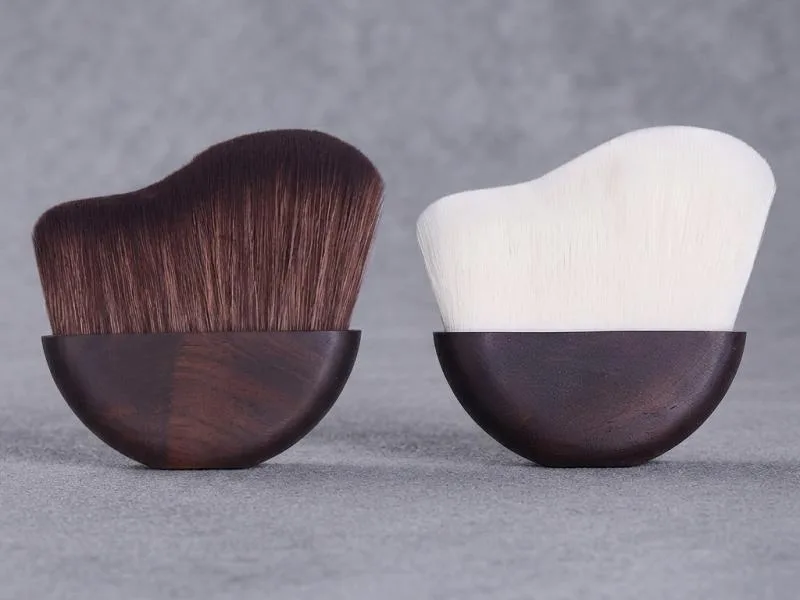
Fiber Compatibility: Matching Adhesives to Natural Hair Versus Synthetic Bristles
The chemical interaction between the adhesive and the bristle material is another vital consideration that distinguishes amateur production from expert engineering. Natural hair fibers, such as high-grade Saikoho goat hair, Kazan squirrel hair, or professional-grade kolinsky sable, possess microscopic cuticles and protein structures that naturally anchor well into epoxy matrices. When formulating a glue for high-end makeup brushes designed for natural animal fibers, engineers must ensure the adhesive remains slightly flexible to accommodate the natural organic variance and bounce of the animal hair without cutting or pinching the delicate shafts.
Conversely, modern high-end synthetic fibers—such as advanced PBT, nano-wool, and specialized tapered corn-fiber filaments—have smooth, non-porous synthetic surfaces. These smooth surfaces offer far fewer mechanical anchor points for traditional bonding agents, requiring specialized surface treatments or modified polyurethane formulas. Selecting the correct glue for high-end makeup brushes utilizing synthetic fibers involves using adhesion promoters that chemically bond with synthetic polymer blends, guaranteeing that even densely packed synthetic foundation buffers maintain zero shedding performance throughout their entire operational lifecycle.
Regulatory Compliance, Safety, and Skin-Contact Standards
Because cosmetic brushes are applied directly to the face, eyes, and lips, safety and regulatory compliance are non-negotiable aspects of production. The chemical components within any glue for high-end makeup brushes must comply with strict international standards, including European REACH regulations, US FDA guidelines, and global cosmetic safety directives. Fully cured medical-grade and cosmetic-grade epoxy formulations are completely inert, ensuring that no harmful monomers or toxic volatile compounds leach out onto the skin during application.
Brand owners and procurement directors must demand comprehensive migration testing and material safety data sheets from their manufacturing partners to verify that the adhesive system is free from restricted heavy metals, formaldehyde, and harmful plasticizers. Utilizing a certified, hypoallergenic glue for high-end makeup brushes protects end-users with sensitive skin from allergic reactions or irritation, thereby safeguarding the brand’s reputation and ensuring long-term customer loyalty in competitive global markets.
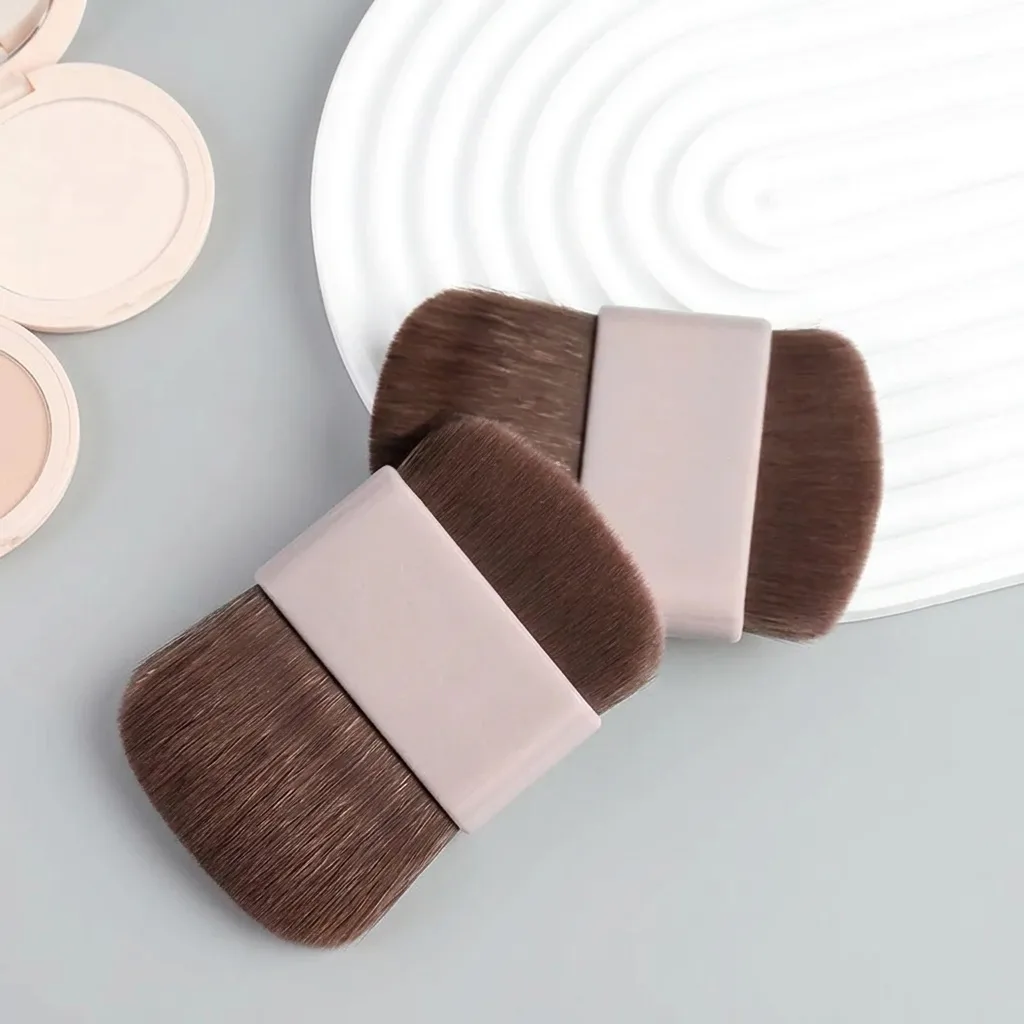
Conclusion: Partnering for Excellence in Custom Cosmetic Manufacturing
The success of a luxury cosmetic brand is built upon the meticulous execution of every hidden detail, from the ergonomic balance of the handle to the microscopic integrity of the internal assembly. Choosing the correct glue for high-end makeup brushes requires an intimate knowledge of advanced polymer chemistry, rigorous testing protocols, and specialized manufacturing expertise that only seasoned industry professionals can provide.
At beautykitmfg.com, we combine decades of manufacturing mastery with cutting-edge adhesive technology to deliver custom cosmetic brushes that exceed international standards for durability, safety, and performance. Whether you are developing an exclusive line of ultra-soft natural hair powder brushes or high-performance synthetic complexion tools, our engineering team is ready to bring your vision to life with uncompromising quality. Contact our specialists today to discuss your next OEM/ODM custom brush project and discover how our technical precision can elevate your brand in the global beauty market. This is the very original mission and core philosophy of beautykitmfg.