

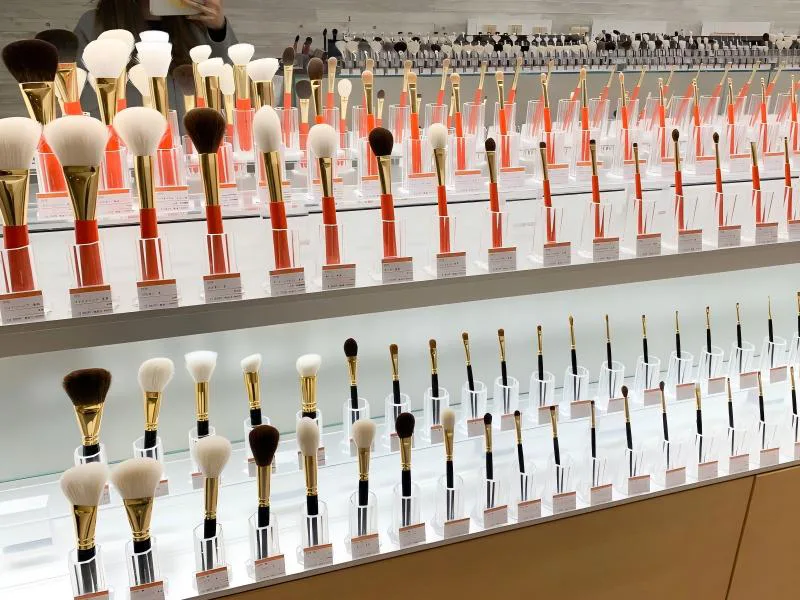
In the highly competitive landscape of the global beauty industry, the distinction between a fleeting brand and a market leader often lies in the details that consumers cannot immediately see. While marketing campaigns and packaging aesthetics grab initial attention, the true foundation of brand loyalty in the makeup brush sector is built upon the consistent performance of the tools themselves.
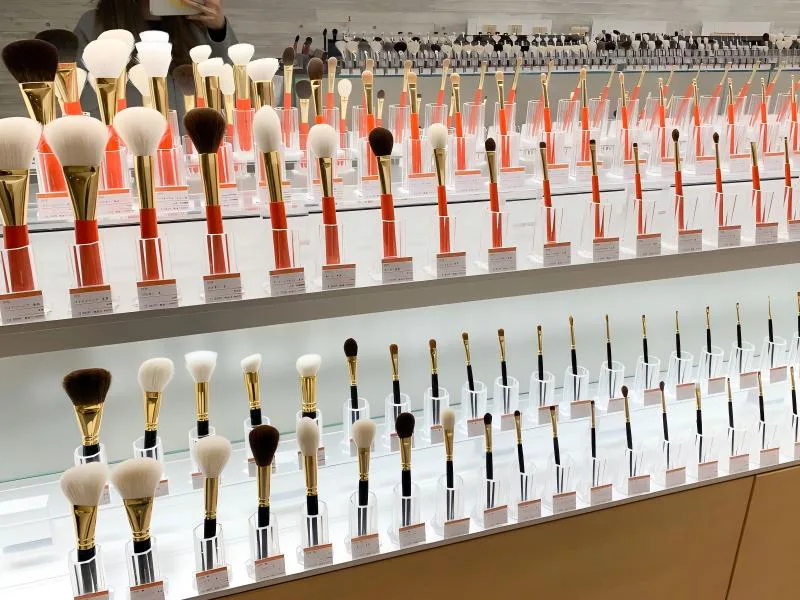
As a manufacturer or brand owner, the stakes have never been higher, as social media influencers and savvy consumers are quick to expose any lapse in quality control. Implementing a philosophy of Zero-Defect Manufacturing is no longer just a technical endeavor; it is the most potent strategy for elevating brand competitiveness in a crowded marketplace.This is also how BeautyKitMfg achieves its goal of Zero-Defect Manufacturing makeup brushes through rigorous quality control.
By moving beyond traditional sampling methods and embracing a holistic approach to quality, brands can shift their narrative from merely “selling accessories” to “providing professional-grade instruments.” This article explores how adopting a rigorous zero-defect mindset directly translates into higher customer lifetime value, reduced operational costs, and, ultimately, a fortified market position that competitors find difficult to emulate.
The Anatomy of Quality in Makeup Brush Production
The manufacturing of a makeup brush is a surprisingly complex orchestration of materials science and precision engineering. A single brush involves the integration of high-grade synthetic or natural fibers, intricate ferrule crimping, and delicate handle finishing. In a non-optimized environment, minor inconsistencies—such as loose ferrules, uneven bristle glue penetration, or slight variations in fiber density—might be dismissed as acceptable margins of error. However, a Zero-Defect Manufacturing approach rejects the concept of an “acceptable margin of error” by identifying the root cause of these micro-failures before they ever reach the final product.
When a brand commits to this standard, it begins by re-evaluating the input quality of every single component. This involves rigorous testing of synthetic PBT fiber resilience, ensuring that each batch maintains uniform diameter and crimp patterns. By establishing stringent technical specifications at the supplier level, the factory floor becomes a space of assembly rather than a space of correction. This proactive stance ensures that the final product is not only functional but also perfectly aligned with the user’s expectations for luxury and reliability.This also achieves zero-defect manufacturing
From Inspection to Integration: Redefining Quality Control
Traditional manufacturing relies heavily on “end-of-line” inspection, where finished products are sampled and screened for defects before shipping. While this catches obvious errors, it is fundamentally a reactive and costly process that does not prevent waste. Zero-Defect Manufacturing, by contrast, integrates quality assurance into every stage of the production workflow. This shift demands that every operator on the line understands the upstream and downstream impact of their specific task, effectively transforming the factory floor into a collaborative quality management system.
For example, during the head-shaping process, automated measurement systems can monitor the density and taper of the brush head in real-time. If a deviation is detected, the system pauses or adjusts the process automatically, preventing the production of a thousand flawed units.
This technical integration ensures that quality is “built-in” rather than “inspected-in.” As a result, the brand avoids the brand-damaging scenarios where defective brushes reach end-users, only to result in negative reviews and costly return processes that erode thin profit margins.
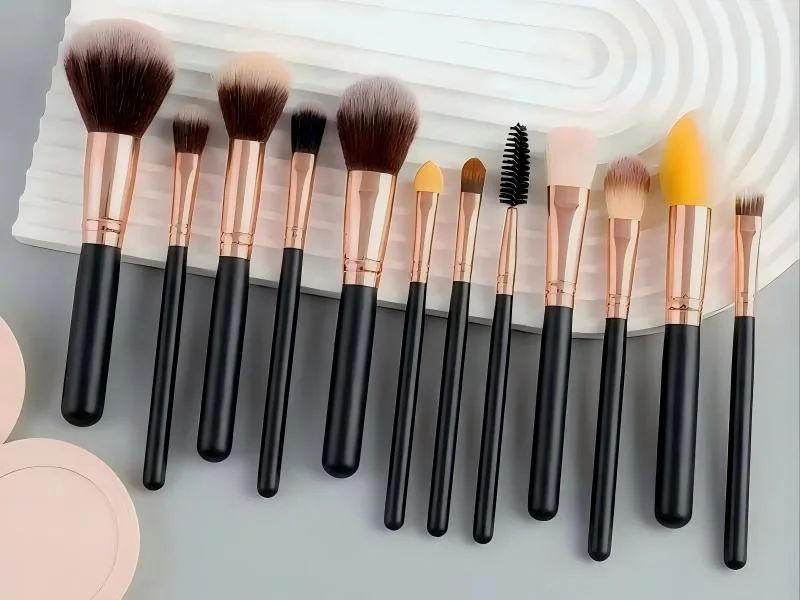
Economic Advantages: Reducing Waste and Increasing Efficiency
A common misconception is that pursuing perfection through Zero-Defect Manufacturing is an prohibitively expensive endeavor. In reality, the cost of quality—comprising rework, scrapped inventory, customer returns, and lost brand equity—is almost always significantly higher than the cost of prevention. By optimizing processes to eliminate defects, companies can drastically reduce the volume of raw material wastage, which is particularly significant when dealing with high-end, premium synthetic fibers or sustainably sourced natural hair.
Furthermore, a defect-free production line runs with greater fluidity and predictability. When every component fits perfectly the first time, production throughput increases, and delivery timelines become more reliable. For a brand, this operational efficiency provides a massive competitive advantage, especially when negotiating with major retailers or high-volume beauty distributors who value consistent lead times above almost all else. By lowering the internal failure rate, your brand can actually lower its cost-per-unit while simultaneously improving the final price point-to-quality ratio.
Cultivating Brand Trust Through Consistency
In the beauty industry, trust is the currency of the realm. A customer who buys a blending brush today expects it to perform exactly like the one they purchased two years ago. The variability inherent in lower-quality manufacturing creates a fractured brand experience, where consumers feel hesitant to reorder because they cannot guarantee the same level of performance. Implementing Zero-Defect Manufacturing guarantees that the user experience is standardized, reinforcing the message that your brand stands for precision and professional integrity.
When a brand can consistently deliver on this promise, it fosters a deep-seated emotional connection with the user. Professional makeup artists, in particular, rely on the consistency of their tools to perform their work efficiently under pressure. By guaranteeing that every brush handle is ergonomically balanced and every bristle head is perfectly calibrated, you are not just selling a tool; you are providing an essential asset that the professional can rely upon. This level of dependability is what separates mass-market commodity brushes from professional-grade brands that demand a premium price point.
Future-Proofing the Business with Data-Driven Quality
As the manufacturing landscape evolves, the integration of Artificial Intelligence and advanced sensing technologies is becoming the backbone of the zero-defect movement. By collecting data on every stage of the production process, brands can identify patterns that lead to defects before they become apparent to the human eye. This data-driven approach allows for predictive maintenance of machinery and proactive adjustments to material handling, ensuring that the production process remains in a state of continuous improvement.
For the modern beauty brand, this data is also a powerful marketing asset. Being able to demonstrate, through certificates and documented quality protocols, that your production facility adheres to world-class manufacturing standards is a massive differentiator in B2B negotiations. When you present your capabilities to international clients, the ability to frame your production as “zero-defect” signals a level of sophistication and professional discipline that makes you a preferred partner over regional competitors who rely on manual, inconsistent methods.
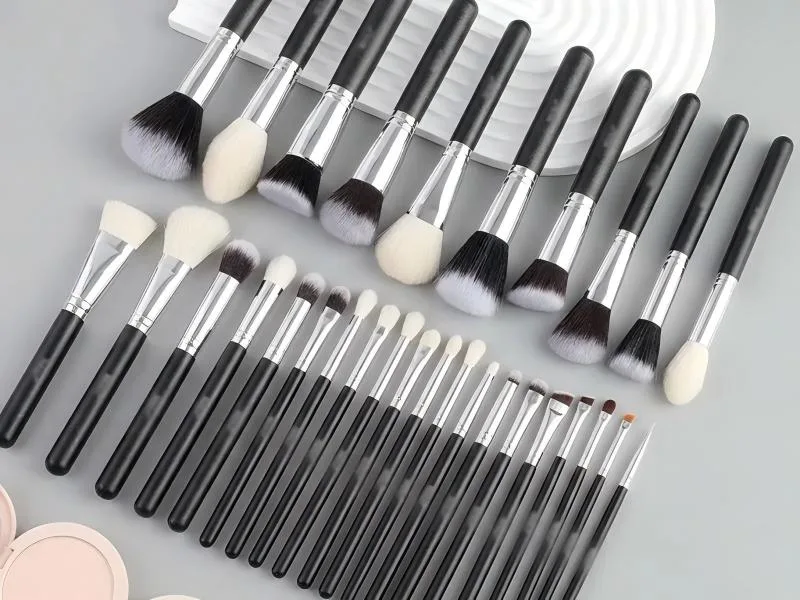
Conclusion: Excellence as a Competitive Strategy
The journey toward Zero-Defect Manufacturing is not a destination but a continuous commitment to excellence. By rigorously controlling material inputs, integrating quality at every stage of the production line, and leveraging data to prevent errors, beauty brands can achieve a level of consistency that transforms their products into industry benchmarks. While the initial investment in technology and staff training is substantial, the long-term payoff in customer loyalty, brand reputation, and operational efficiency is unparalleled.
In a market saturated with options, the brands that thrive are those that respect the customer enough to get the details right every single time. By embracing the principles of Zero-Defect Manufacturing, your brand can transcend the role of a standard supplier and become a trusted authority in the beauty world. It is time to move beyond the status quo and recognize that in the world of high-end beauty, perfection is the only standard that truly pays off.